In April 2026, Zagreb hosted the PRO-MOTE Policy Accelerator Workshop, bringing together migrants, experts, institutions, and local stakeholders to jointly explore solutions for migrant employment and entrepreneurship.
The workshop took place in two parts at BIZkoshnica Coworking. The first session was held on 26 March 2026, gathering representatives from key institutions such as the City of Zagreb, Croatian Chamber of Economy, Croatian Employment Service, as well as academia and civil society organisations working with migrants.
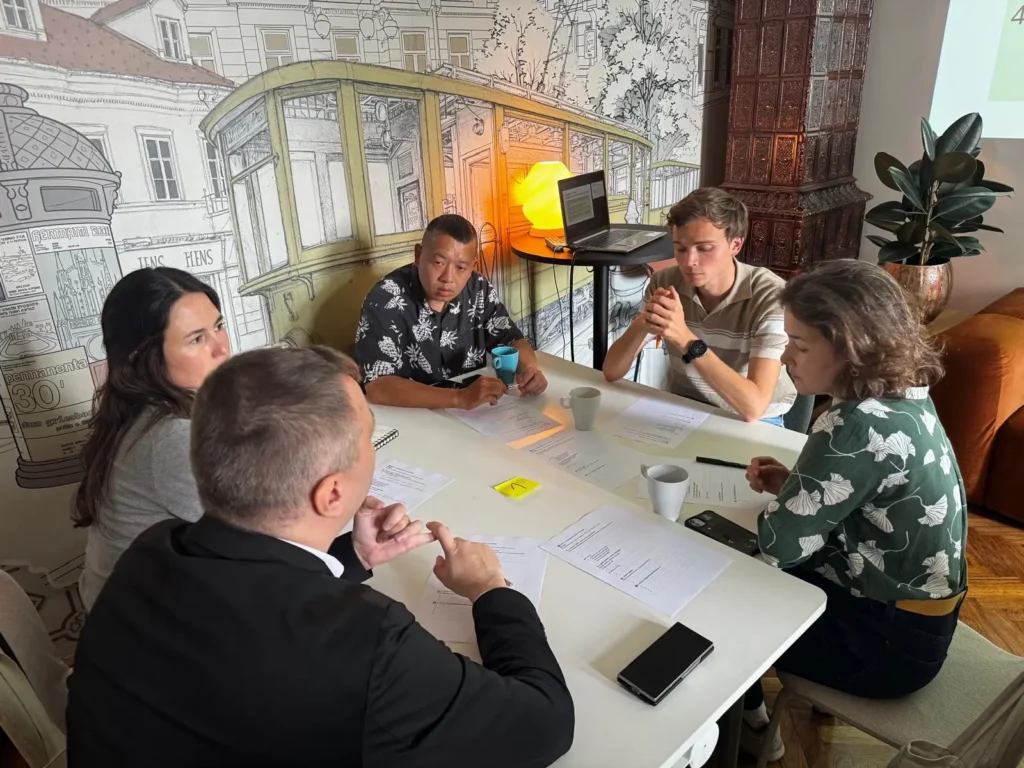
This work package was led by CEPOR, who presented key findings from their research on migrant entrepreneurship, conducted among Ukrainian refugee entrepreneurs living in Croatia. The research highlighted both the potential and the structural challenges migrants face when starting and growing businesses.
A valuable contribution was also made by Ana Budimir Župić from the University of Zagreb Faculty of Political Science, who presented insights on migrant employment in Croatia, further contextualising labour market integration challenges.
Through presentations and an expert roundtable, participants discussed the main barriers migrants face—ranging from administrative complexity and recognition of qualifications to limited access to information and support systems .
The second, participatory session—originally planned for the following day but postponed due to severe weather—was successfully held on 17 April 2026. It brought together around 30 migrants and stakeholders, including participants from China, India, Argentina, Congo, Georgia, Ukraine, Slovenia and other countries, reflecting the diversity of migrant experiences in Croatia.
During the “Migrant voices” session, participants heard an inspiring entrepreneurial story from Yuriy Polishshuk, a migrant entrepreneur from Ukraine and founder of Tesla Distribution. His company, focused on solar panel installation, has grown into a successful business that now employs 20 people, demonstrating the strong potential of migrant entrepreneurship when given the right opportunities.
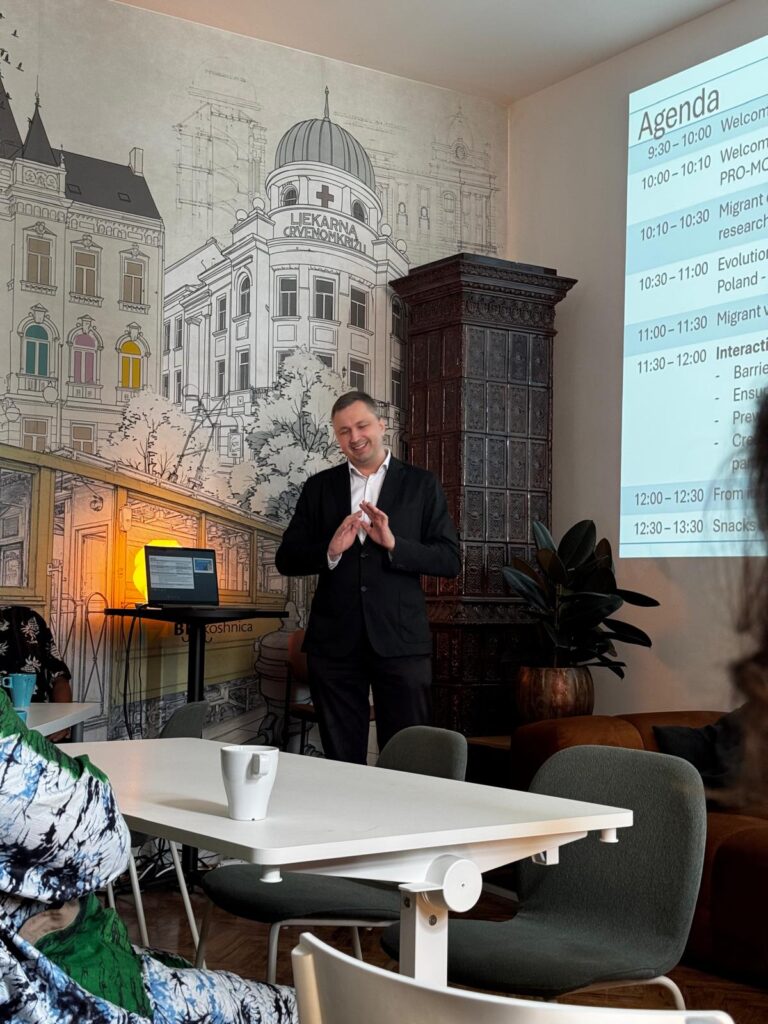
A special contribution was also made by Jan Brzozowski from Jagiellonian University, who presented insights from Poland and highlighted lessons relevant for Croatia, particularly the need to simplify procedures and strengthen support systems.
Through interactive group work, participants identified key challenges and proposed practical policy solutions. These insights will feed into a Policy Recommendations document, developed by CEPOR, which will serve as a key deliverable of this workpackage.
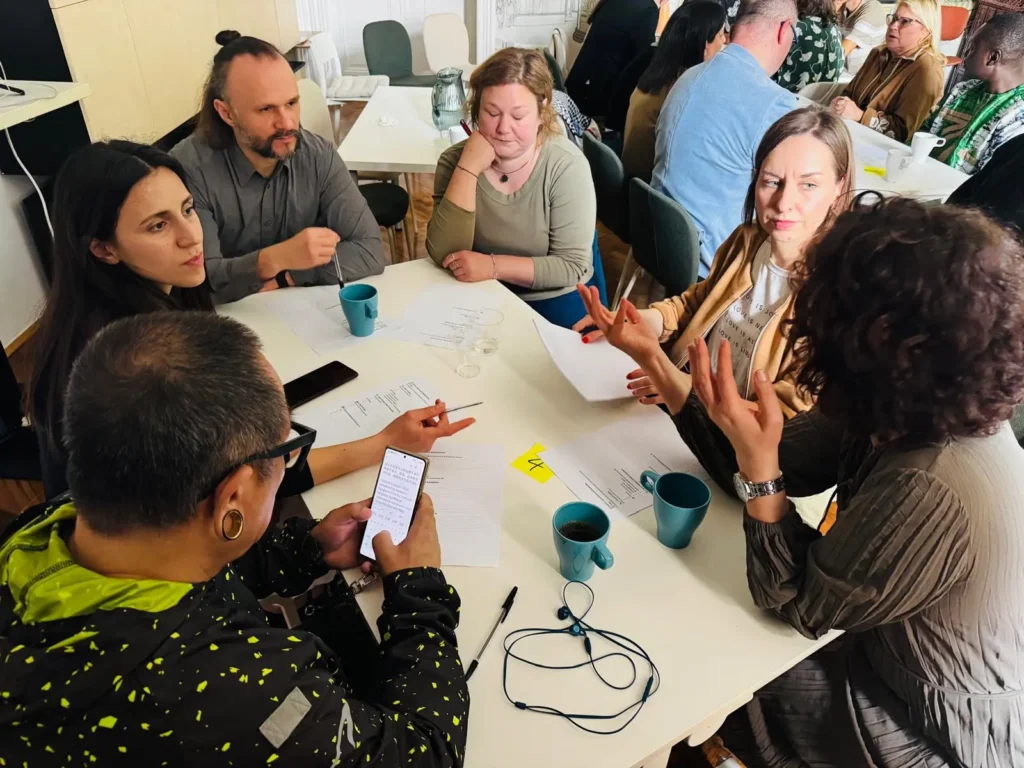
The workshop once again confirmed the importance of including migrant voices in policy development and demonstrated how collaborative dialogue can lead to meaningful, actionable change.